- Finland: the word for the northern lights, revontulet, means "fox fires".
- Sámi accounts: retold stories say not to wave, whistle or sing at the lights.
- Shetland: the Mirrie Dancers, from a dialect word for shimmer.
- Inuit traditions: the lights as a ball game played by the dead.
- 1938: a red aurora sent people running for the fire brigade.
- Real and eerie: researchers have recorded sounds linked to the aurora.
A note before we start. Many of these stories belong to living cultures, and the versions you find online are often retold by travel companies, not by the people who carry the tradition. We have marked where that is the case. Treat each summary as an introduction.
1. The fox that set the sky on fire (Finland)
In Finland the northern lights are called revontulet, "fox fires". The folk tale goes like this: a magical arctic fox runs across the fells so fast that its tail sweeps snow up into the air and throws off sparks, and the sparks light the sky. In some versions the fire comes from the tail brushing against bushes or low branches.
The name is still alive. NASA's Astronomy Picture of the Day used it in December 2025 for a photo taken at Kilpisjärvi. How old the name is, and where it first appeared, is harder to pin down than the story suggests.
2. The lights you should not whistle at (Sámi accounts)
Accounts retold today say that in Sámi tradition the lights were linked with the souls of the dead, and that it was unwise to wave, whistle or sing at them. Do that, the stories say, and the lights might notice you. Some retellings add grisly consequences, but those details repeat from site to site and we could not trace them to a primary source.
Sámi traditions differ between regions and families, so any single summary, including this one, is only a starting point. A practical reading many people give these stories is that they keep children from wandering off alone on a freezing Arctic night. That is good advice on Halloween too.
3. The Mirrie Dancers (Shetland and Scotland)
In Shetland the aurora is known as the Mirrie Dancers. The first word comes from the Shetland dialect mirr, which Shetland sources link to shimmering or trembling. It is often spelled "Merry Dancers" because of the influence of standard English. The Scottish Gaelic name, na fir chlis, is usually translated as "the nimble men" or "the lively ones".
Whatever the exact folklore, the images are the same everywhere: figures moving, flickering and dancing high in the cold dark. A good aurora does look like that.
4. A ball game played by the dead (Inuit traditions)
Several Inuit traditions describe the lights as the dead at play, kicking a walrus skull across the sky like a ball. In one account from Nunivak Island the roles are reversed: walrus spirits play with a human skull. One retelling says the Inuit word aksarnirq means "ball player".
Some traditions also warn against whistling at the lights, while a Greenland account attributed to the explorer Knud Rasmussen says a whistle can bring them closer or make them dance. Details vary a great deal between communities, and most of what is easily found online comes from travel and popular-history sites.
5. The night Europe called the fire brigade (1938)
Not every spooky aurora story is old. On 25 and 26 January 1938 a strong geomagnetic storm lit the sky from northern Scotland to Gibraltar and Portugal, in colours including a deep red glow. Wikipedia's account of the storm, which draws on 1938 reports, says many people thought something was on fire: in Salzburg the fire department was called and alarm bells rang through the night, and in London people believed whole streets were burning. Guards at Windsor Castle are reported to have called the fire brigade as well.
Treat those details as period newspaper reports, not as precisely verified events. What is well recorded is that the storm disrupted short-wave radio and telegraph equipment. It is also remembered as the "Fátima storm", because some Catholics connected it with a prophecy about an unknown light. That link is a religious interpretation, not a scientific one.
6. The aurora that crackles
Here is the one that sounds like folklore but is science. People in the far north have long reported faint clapping or crackling sounds during strong displays. A team at Aalto University in Finland, led by Professor Unto Laine, recorded such sounds and traced their source to about 70 metres above the ground (published figures range from 70 to 80 metres), not to the aurora itself, which is far too high up for sound to travel down.
Their explanation involves a temperature inversion, a layer of warm air sitting over cold air near the surface. Charge builds up beneath it, and during a geomagnetic storm it discharges with tiny sparks that make audible pulses. Some of the sounds were recorded on nights when no aurora was visible, but the geomagnetic field was disturbed. Researchers are still refining the mechanism: a 2022 follow-up suggests Schumann resonances play a part.
A Halloween aurora hunt, without the legends going wrong
The best part: Halloween 2026 may give you a real chance. NOAA's outlook has a G1 storm around 31 October. A forecast days ahead is a guide, not a promise, so see our Halloween 2026 forecast for the latest, then plan your night:
- Dress for the cold under the costume. A witch hat is not a jacket. Wear layers, and keep a pair of hand warmers in your pocket.
- Get away from porch lights and streetlamps and look north. Moonlight and city glow wash out a faint display: see why the moon and city lights ruin photos.
- Give your eyes about twenty minutes to adjust, and keep your phone screen dim. The aurora often looks greyer to the eye than in photos, as we explain in can you see the northern lights with the naked eye.
- Use night mode and a tripod for photos. Our iPhone and Samsung settings guide has the numbers.
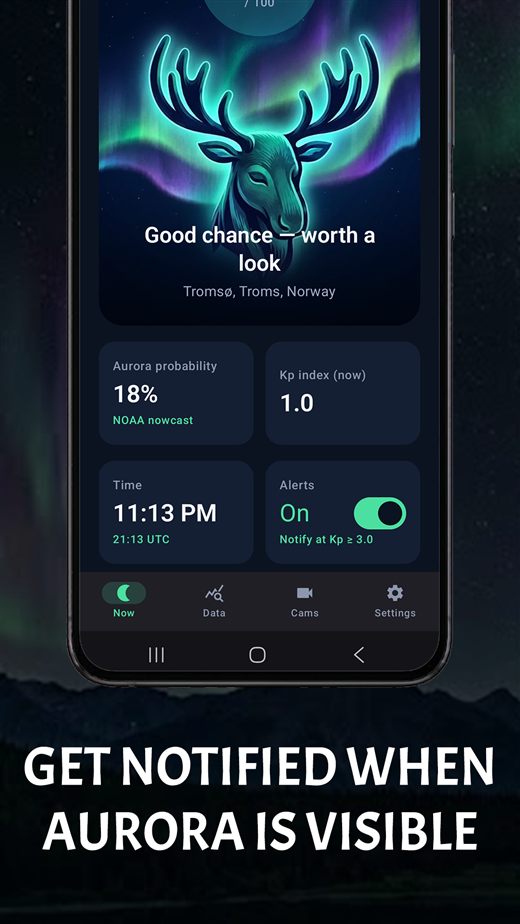
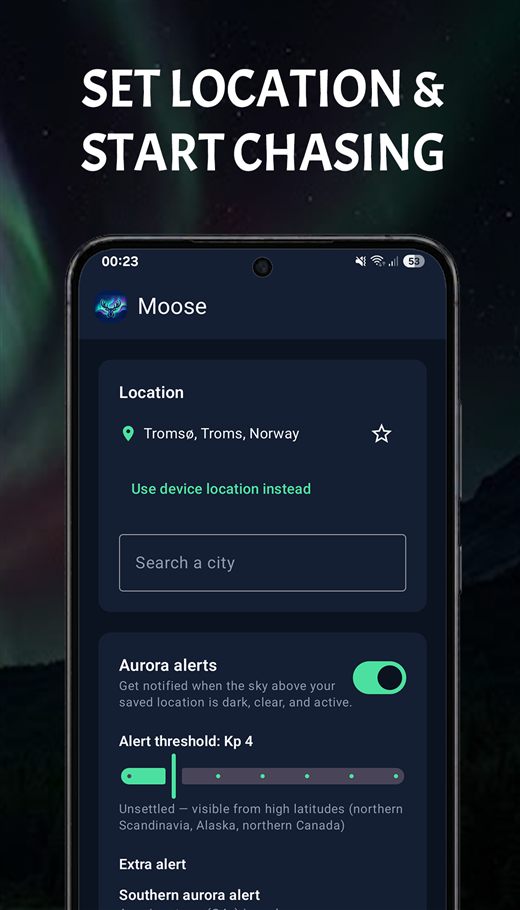
- Let an alert do the staring. A display can build and fade in minutes. Here is how to set alerts that are actually worth waking up for.

Frequently asked questions
What does revontulet mean?
It is the Finnish word for the northern lights, and it translates as "fox fires". In the folk tale, a magical arctic fox runs across the fells so fast that its tail sweeps snow into the sky and throws up sparks.
Did northern peoples really link the aurora to the dead?
Many northern traditions connect the lights with spirits or the dead, including accounts from Sámi and Inuit communities. Details differ between regions and families, and much of what is written online comes from travel sites and retellings, so treat any short summary as a starting point.
Can you really hear the northern lights?
Some people report faint crackling or clapping during strong geomagnetic activity. Researchers at Aalto University traced such sounds to a source about 70 metres above the ground, tied to a temperature inversion layer. The aurora itself is far too high up for its sound to reach the ground.
Why did people think the 1938 aurora was a fire?
On 25 and 26 January 1938 an unusually red aurora covered the skies of Europe. The red glow on the horizon looked like a huge fire, and press accounts describe fire brigades being called in several places.
Will I see the northern lights on Halloween 2026?
Possibly. NOAA's outlook has a G1 storm (Kp 5) around 31 October, which could bring the aurora to Scotland, southern Scandinavia, Canada and the northern US. It is a guide, not a promise, so check the latest forecast and set an alert for your location.
References
- Wikipedia, Firefox (mythology).
- NASA Astronomy Picture of the Day, Northern Fox Fires, 12 December 2025.
- Hurtigruten, History of the northern lights: myths and legends.
- Visit Shetland, Dancing sky: Shetland's Mirrie Dancers.
- Natural Habitat Adventures, Native tales of the northern lights.
- Wikipedia, January 1938 geomagnetic storm.
- Aalto University, Acoustics researcher finds explanation for auroral sounds.
- Aalto University, The aurora borealis can be heard even when they can't be seen.
Free printable guide. Take it with you: The Aurora Night Guide (PDF, 3 pages) covers the Kp index, when to go, a packing checklist and phone camera settings.