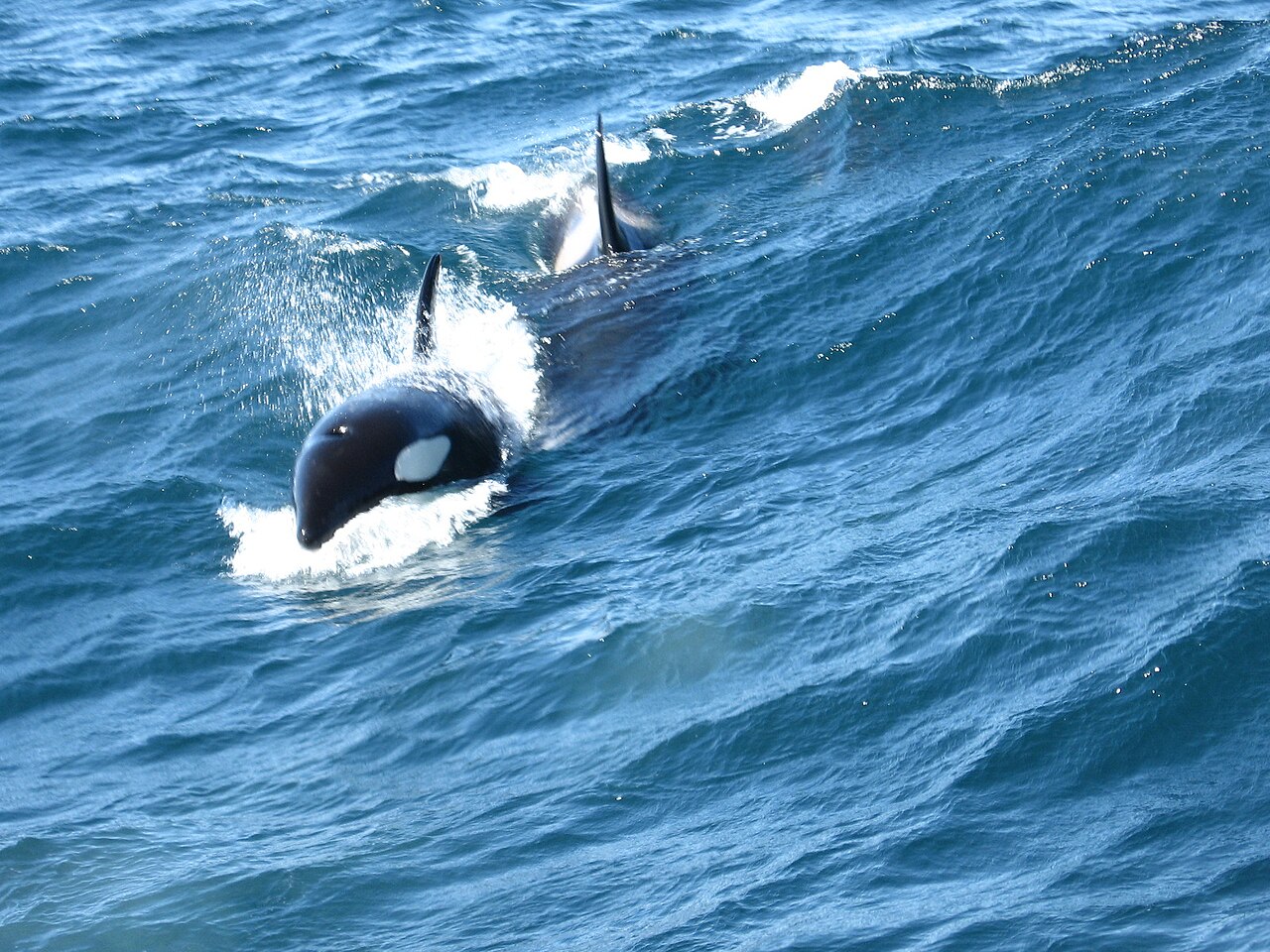
- Whales: orcas and humpbacks, late October to late January, peak November to January. Most tours go to Skjervøy.
- Huskies: about November to April. Roughly 4 hours door to door, around 30 minutes on the sled.
- Reindeer: mid-November to March at a Sámi camp about 50 minutes away. About 4.5 hours, a ride of around 20 minutes.
- Costs: expect around 2,200 to 3,000 NOK per adult for the husky and reindeer tours we checked.
- Plan: keep at least one evening free for the aurora, and set an alert so you know when to go out.
How we wrote this. Prices, hours and seasons change every year, and operators update them often. We read the operators' own pages where we could and used travel guides for the rest. Every number below is a snapshot from late October 2026, so confirm it on the operator's site before booking.
The three tours compared
| Experience | Season | Total time | Time with animals | Example price |
|---|---|---|---|---|
| Whale watching | Late Oct to late Jan | About 7–9 hours | About 30 min to 1.5 h | Varies by boat; check operator |
| Husky sledding | About Nov to Apr | About 4 hours | About 30 min on the sled | 2,890–2,990 NOK (two operators) |
| Reindeer sledding | 15 Nov to 31 Mar | 4.5 hours | Ride about 20 min, plus feeding | 2,195 NOK adult, 1,095 child |
Prices from operator pages checked in October 2026: Kvaløya Adventure, Aurora Husky and Tromsø Lapland. They change, so treat them as a guide.
Whale watching from Tromsø
The whales come for the herring. From roughly late October to late January, large numbers of orcas and humpback whales follow the fish into the fjords of northern Norway, and the peak is November to January. Fin whales are seen occasionally. Sightings are never guaranteed: they depend on where the herring are, the weather and the whales.
Where the tours go
In recent years the action has been centred on the fjords near Skjervøy, about three to three and a half hours by road from Tromsø. You will find two types of trip:
- From Tromsø harbour, by large boat. Some leave around 08:00 and return after 8 to 9 hours.
- Bus plus boat from Skjervøy. A coach takes you from Tromsø, then you spend 2 to 3 hours on the water. One RIB (rigid inflatable) trip is described as including a seven-hour round-trip bus ride.
Big boat or RIB?
- Large boats carry roughly 140 to 200 people, with a warm interior, toilets, food and an observation deck. Some are hybrid-electric and switch to silent power near the whales.
- RIBs carry up to about 12 people. They are faster, lower to the water and better for photos, but rougher, colder and without a toilet. Small children, pregnant women and people with back problems may want to skip them. You are given a thermal suit, but wear wool underneath.
Daylight and seasickness
Polar night runs from roughly 27 November to 15 January, with twilight from about 9 am to 2 pm, which is why tours leave early. If you get seasick, take preventive measures half an hour before boarding and keep your eyes on the horizon. The bus-plus-Skjervøy option reduces time on open water.
Choosing a responsible operator
Norway has voluntary guidelines for whale watching rather than national welfare laws, and the usual advice is to keep boats 50 to 100 metres from whales, move slowly and never chase or cut off a pod. So compliance depends on the operator. Look for a registered Norwegian company, trained guides, an eco-certification where one exists, and recent, detailed reviews. Be sceptical of very cheap, rushed day trips.
Whale watching outside winter is limited near Tromsø. The best-known summer base in northern Norway is Andenes in Vesterålen, a long way from the city.
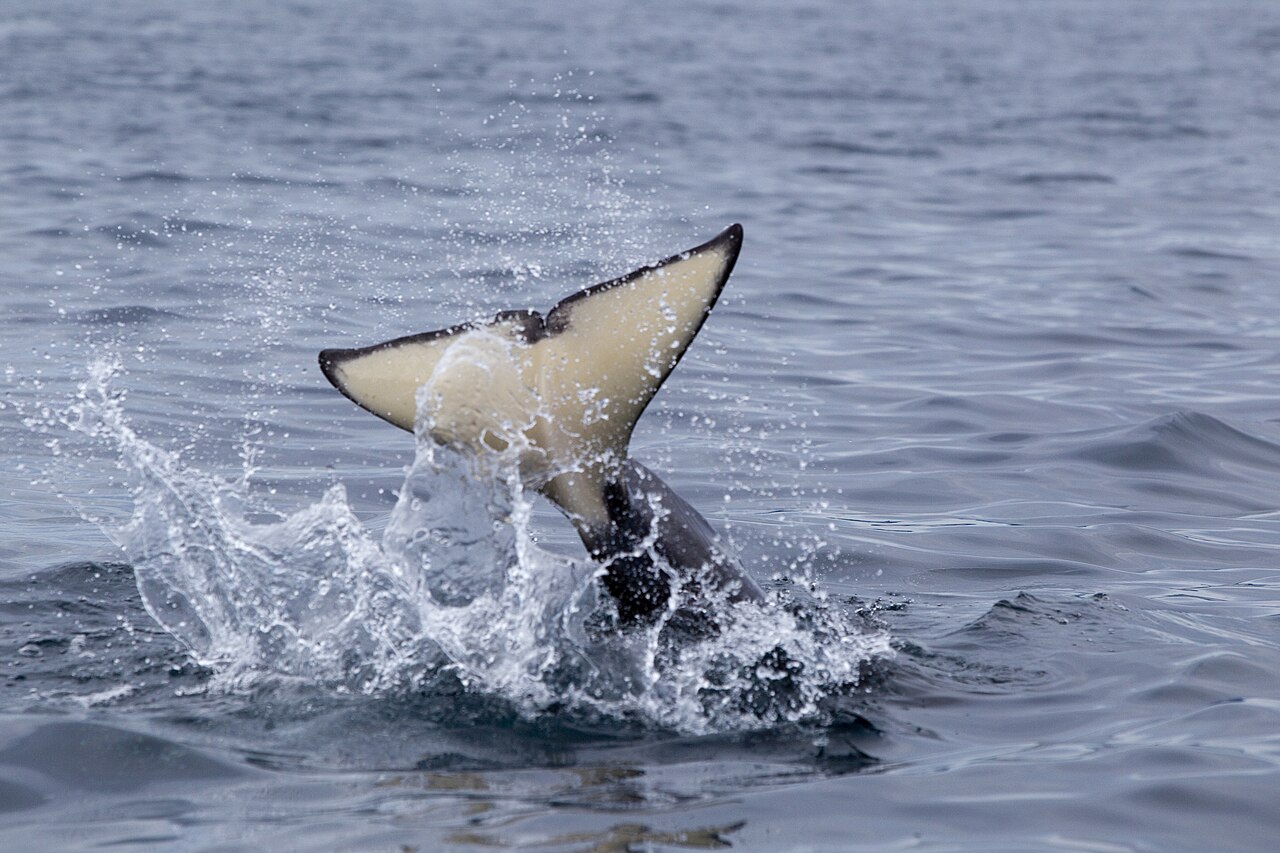
Photo tips
Use a lens of about 100 to 200 mm if you have one, a fast shutter speed (1/500 or quicker), burst mode and no flash. Dress for much colder than the town: wool layers, a windproof shell, a hat, and gloves with a thin liner so you can still press the shutter.
Husky sledding
Husky tours run roughly from November to April, with December to February the busiest months. When there is not enough snow, some operators swap in wheeled carts.
What to expect
- Transport: kennels are around 20 to 40 km from the centre, a 30 to 45 minute drive each way. A small-group tour we checked on Kvaløya is about 45 minutes away and lists a maximum of 8 guests.
- Time on the sled: only about 20 to 40 minutes. Two operator pages we checked listed about 30 minutes. The rest of a four-hour trip is transport, instruction, time with the dogs and a hot drink.
- Driving or riding: some tours let you drive your own team (two people per sled, swapping places), while others have a musher drive and you ride as a passenger.
- Prices we saw: 2,890 NOK per person for a small-group Kvaløya tour (roughly 30 minutes of sledding, suit and boots included) and 2,990 NOK for a classic tour with coach transfer, thermal clothing and coffee and cake.
- What it asks of you: basic fitness. Driving means standing on the runners and sometimes helping on hills. Operators do not recommend it in pregnancy or with back or heart problems.
- Age limits differ: the Kvaløya tour above lists age 7 and up with an adult throughout, while one self-drive listing gave a minimum age of 16. Check your tour.
How to choose a kennel that cares
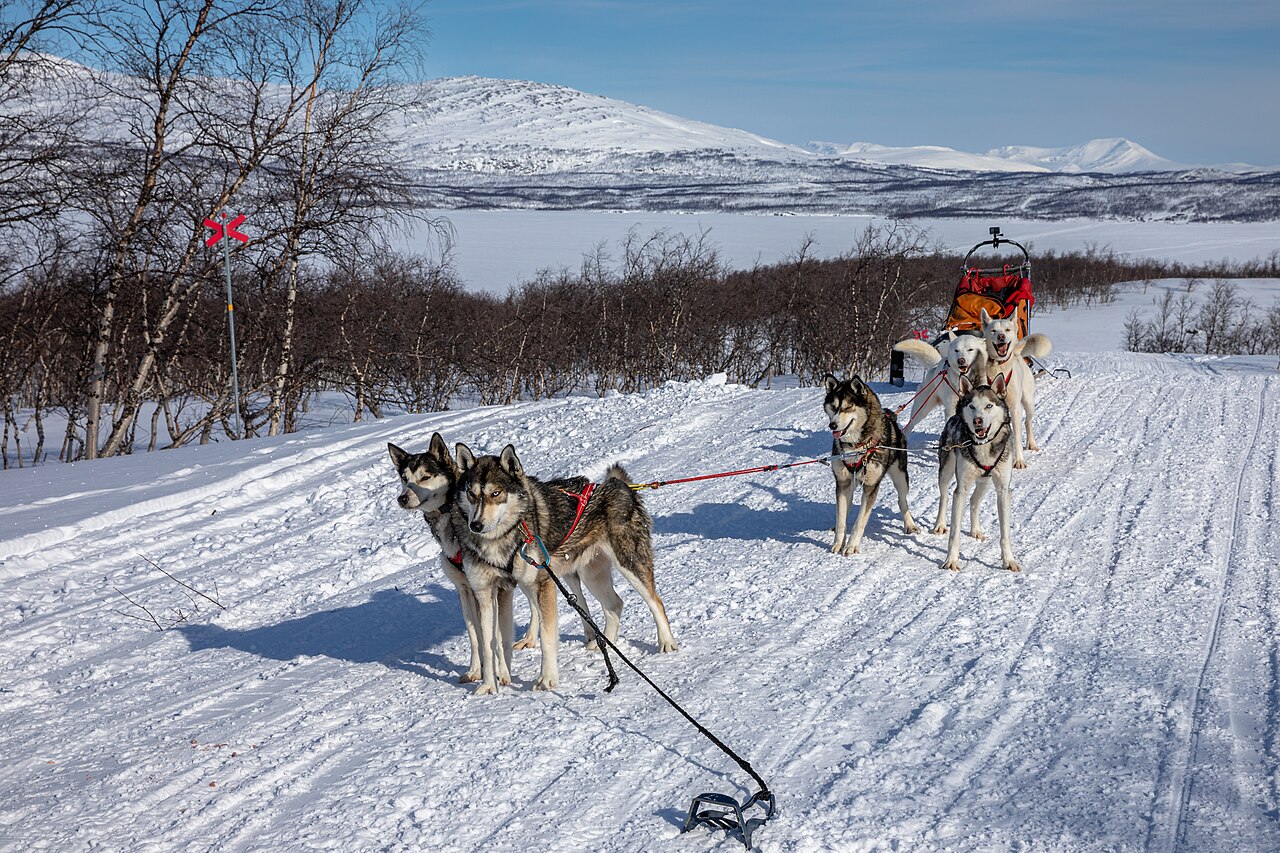
The dogs are the whole point, so ask before you book. Good questions: how often does each dog run in a day and in a week? Where do they live and rest? Who looks after their health? How many dogs does the kennel keep, and how many guests per day? An operator who answers openly is a good sign. Small groups are usually calmer for people and dogs. One Kvaløya kennel states that children must never be left alone around the dogs, and that is a rule worth following wherever you go.
On the day, look for dogs that are eager to run, well-fed and comfortable, with clean water and a place to rest. Excited barking before departure is common, but ask the guide if anything looks wrong to you.
What to wear
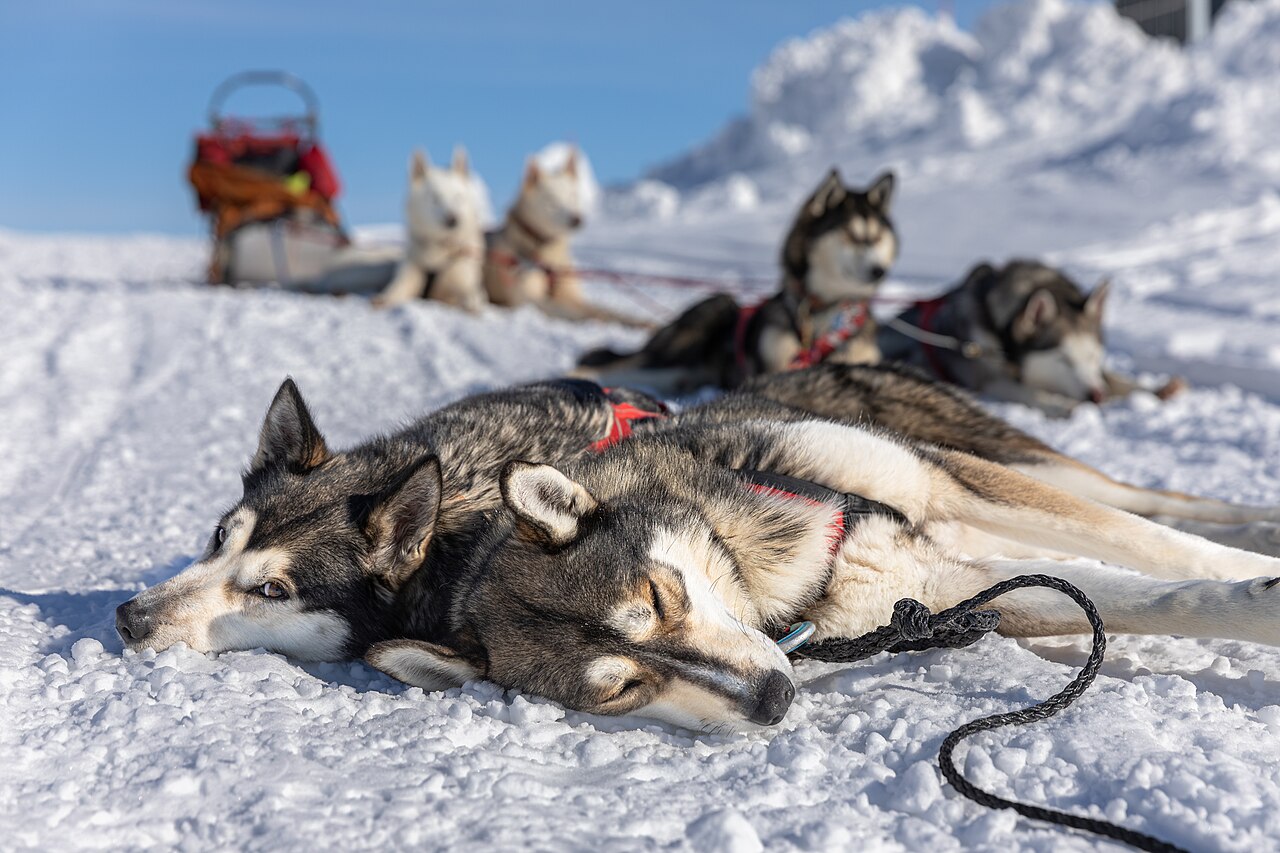
Thermal base layers, warm socks (two pairs), thin glove liners and a neck warmer. Many tours supply a thermal suit, boots and mittens, but check what is included.
Reindeer sledding and Sámi culture
A reindeer sled is slower and calmer than a husky run, and it comes with something more: an introduction to the Sámi people, the Indigenous people of northern Norway, Sweden, Finland and Russia, who have herded reindeer for centuries.
- Where: the best-known half-day tour goes to the Tromsø Lapland camp, about 50 minutes each way from the city. It is run by a family business founded by a Sámi reindeer herder.
- Season and time: 15 November to 31 March, about 4.5 hours. Pickups listed in front of the Radisson Blu at 10:00 (back about 14:30) and 13:00 (back about 17:30).
- The ride: about 20 minutes. It depends on snow conditions and may be shortened. The weight limit is 120 kg. If weather stops the ride completely, the operator lists a partial refund.
- The rest: a talk of about 30 minutes by a Sámi guide, feeding the herd (about 120 reindeer on the page we read) and a traditional lunch, with a vegan and gluten-free option.
- Price: 2,195 NOK for adults, 1,995 for teenagers, 1,095 for children, infants free. Snowsuits, boot covers, hats and mittens are included.
- Accessibility: uneven terrain may be hard for people with limited mobility, so contact the operator.
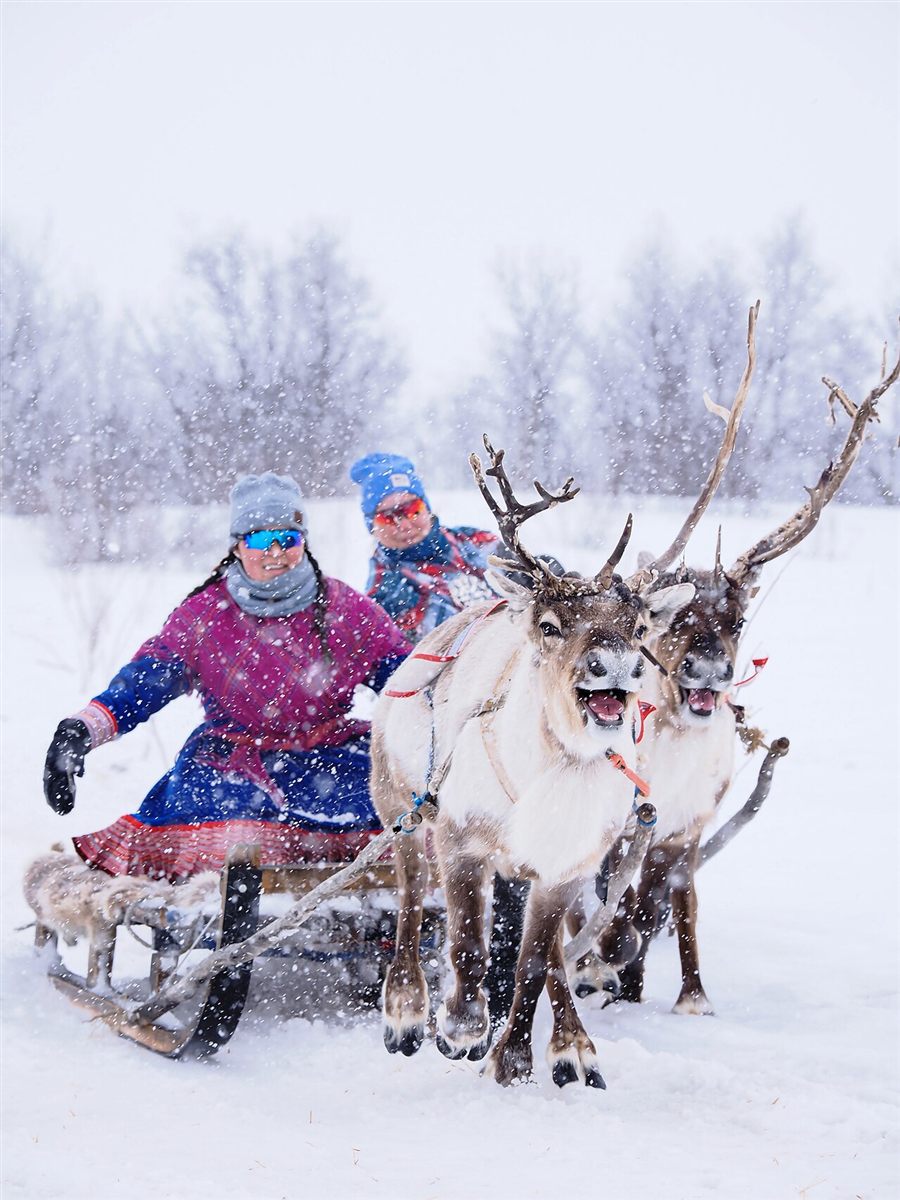
When you visit, treat it as a cultural visit and not only a photo stop. Ask questions, listen, and remember that stories and customs differ between Sámi families and regions.
How to fit it all in
- Pick the long one first. The whale day takes most of a day and an early start, so give it a slot with no other plans.
- Husky or reindeer as a half day. Both fit in a morning or an afternoon, leaving time for a café break. See our Tromsø guide to cafés, restaurants and things to do.
- Keep one evening free for the aurora. Clear nights are the scarce resource, not tours.
- Book early. A guide to husky tours advises two to four weeks ahead in peak season, and longer for Christmas week.
- Check weather rules. Ask what happens if wind, snow or the herring spoil the plan.
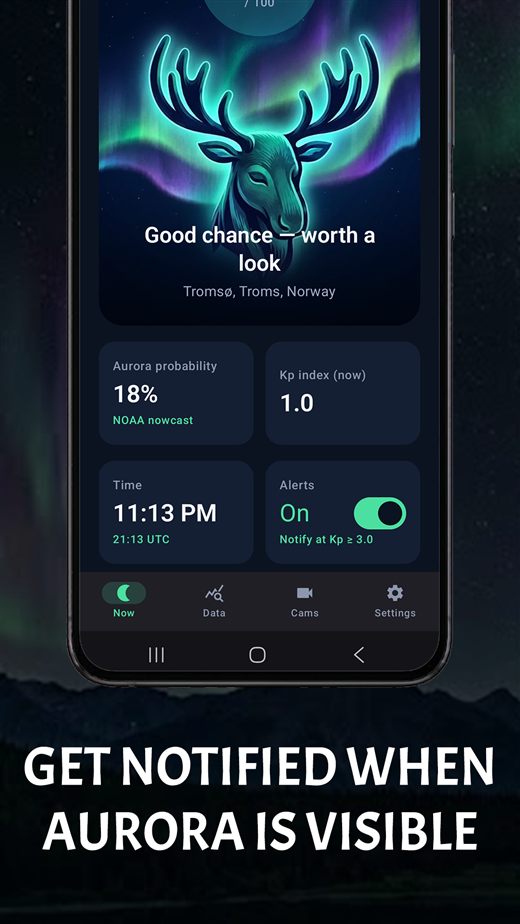
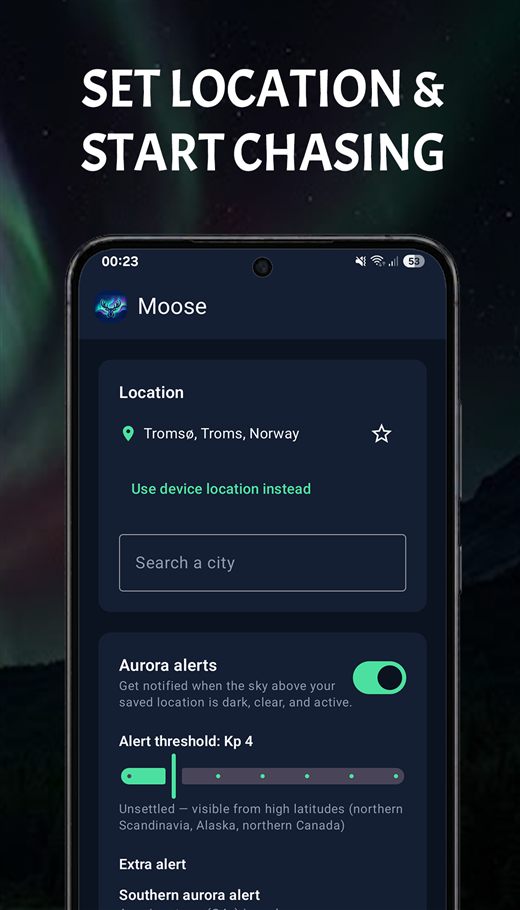

Take it with you. Download the whale, husky and reindeer tour cheat sheet (PDF) or The Aurora Night Guide (PDF).
Frequently asked questions
When is the best time for whale watching near Tromsø?
Orcas and humpbacks follow the herring into the fjords from about late October to late January, with November to January the peak. Many tours go to Skjervøy, roughly three to three and a half hours by road from Tromsø. Sightings are never guaranteed.
How much time do you actually spend with the whales?
Much of the day is travel. Guides report about one to one and a half hours with the whales on larger boat tours, and sometimes 30 to 60 minutes on others, within a day of roughly seven to nine hours.
How long is a husky sledding tour really?
Plan on roughly four hours door to door, but only about 20 to 40 minutes on the sled. The rest is transport, instruction, time with the dogs and a hot drink.
Can children go husky sledding or reindeer sledding?
Often, but rules differ. One Kvaløya operator lists age 7 and up with an adult throughout, while a self-drive tour elsewhere lists a minimum of 16. The reindeer experience we checked has child and infant tickets and is described as family-friendly. Check the age limit for your tour.
Is husky sledding ethical?
It depends on the kennel. Look for small groups, healthy and eager dogs, and operators who answer openly about rest days, housing, veterinary care and how often each dog runs.
What can you see on a reindeer sledding tour near Tromsø?
A typical half-day tour at a Sámi camp about 50 minutes from the city includes a ride of around 20 minutes, feeding the herd, a talk about Sámi culture and a traditional lunch. The ride can be shortened if snow is poor.
Can I combine these tours with northern lights hunting?
Yes. Day tours leave your evenings free, and some evening departures add a chance of aurora. Keep a night free after a whale trip, set an alert for your location, and do not book a long tour the morning after your only clear night.
Sources
- Tromsø Lapland, Reindeer Sledding & Sámi Culture (season, times, prices, ride length).
- Aurora Husky, Dog Sledding in Tromsø (season, price, inclusions).
- Kvaløya Adventure, Small Group Husky Dog Sledding (group size, price, age limit, welfare notes).
- Best Arctic, When to see whales in Tromsø during winter.
- Guide to Lofoten, Ethical Whale Watching in Tromsø (voluntary guidelines, vessel types).
- Tromsø Norway Tours, Husky Sledding Tours in Tromsø: What to Expect.
- Visit Tromsø, Reindeer Sledding and Sámi Culture with Lunch.
- Photos from Wikimedia Commons under the licences shown in each caption.